

Spring Car Care Checklist for Used Vehicles: Get Ready for the Road Ahead
Spring Car Care Checklist for Used Vehicles: Get Ready for the Road Ahead
Posted on March 26, 2026
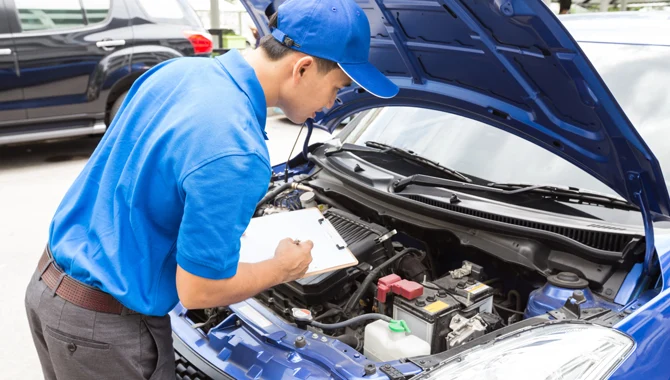
As winter fades and warmer weather arrives, spring is the perfect time to give your used vehicle the attention it deserves. Cold temperatures, road salt, snow, and ice can take a toll on your car, affecting everything from performance to appearance. A proper spring maintenance routine not only protects your investment but also ensures a safer and smoother driving experience.
At Nexcar Auto Sales & Leasing, we believe that regular maintenance is key to extending the life of your vehicle. Whether you recently purchased a used car or have been driving one for years, this comprehensive spring maintenance checklist will help you keep your car in top condition.
Why Spring Maintenance Matters for Used Cars
Used vehicles often require a bit more care, especially after enduring harsh winter conditions. Seasonal maintenance helps identify hidden issues early, preventing costly repairs down the road.
Key Benefits of Spring Maintenance
- Improves vehicle safety and reliability
- Enhances fuel efficiency
- Prevents long-term damage caused by winter exposure
- Maintains resale value
Taking the time to inspect and maintain your vehicle in spring ensures you’re ready for road trips, daily commutes, and everything in between.
Inspect and Replace Your Tires
Winter driving can be tough on your tires, and spring is the ideal time to switch back to all-season or summer tires if you’ve been using winter ones.
What to Check
- Tire tread depth and wear patterns
- Proper tire pressure
- Signs of cracks or damage
- Wheel alignment and balance
Uneven wear could indicate alignment issues, while low pressure can affect fuel efficiency and handling. Ensuring your tires are in good condition improves both safety and performance.
Check Your Braking System
Your brakes are one of the most critical safety components of your vehicle. Winter conditions can accelerate wear on brake pads and rotors.
Brake Inspection Tips
- Listen for squeaking or grinding noises
- Check for vibrations when braking
- Inspect brake fluid levels
- Have pads and rotors evaluated if needed
If you notice any issues, it’s important to address them immediately to avoid compromising your safety.
Change Oil and Replace Filters
Oil changes are essential for keeping your engine running smoothly. Spring is a great time to replace old oil that may have thickened during colder months.
Important Filters to Replace
- Engine oil filter
- Air filter
- Cabin air filter
Clean filters improve engine performance and ensure better air quality inside your vehicle.
Test Your Battery
Cold weather can weaken your car battery, making it more likely to fail as temperatures rise.
Signs of Battery Issues
- Slow engine start
- Dim headlights
- Corrosion on battery terminals
If your battery is more than a few years old, consider having it tested or replaced to avoid unexpected breakdowns.
Inspect Fluids and Top Them Up
Your vehicle relies on several fluids to operate efficiently. Checking and replenishing these fluids is an essential part of spring maintenance.
Fluids to Check
- Coolant
- Transmission fluid
- Brake fluid
- Power steering fluid
- Windshield washer fluid
Proper fluid levels help prevent overheating, ensure smooth operation, and maintain overall vehicle health.
Examine Wipers and Lights
Visibility is crucial for safe driving, especially during spring rainstorms.
What to Look For
- Worn or streaking wiper blades
- Functioning headlights and taillights
- Properly aligned beams
Replacing worn wipers and ensuring all lights are working improves visibility and keeps you safe on the road.
Clean and Protect Your Vehicle
Winter leaves behind dirt, salt, and grime that can damage your car’s exterior and undercarriage.
Cleaning Tips
- Wash and wax the exterior
- Clean the undercarriage to remove salt buildup
- Vacuum and detail the interior
Regular cleaning not only improves appearance but also prevents rust and corrosion.
Inspect Suspension and Steering
Potholes and rough winter roads can impact your vehicle’s suspension system.
Warning Signs
- Uneven tire wear
- Vehicle pulling to one side
- Unusual noises when driving over bumps
Having your suspension checked ensures a smoother ride and better handling.
Check Your Air Conditioning System
As temperatures rise, you’ll want your air conditioning system to be in good working order.
What to Do
- Test the AC for proper cooling
- Check for unusual smells or weak airflow
- Recharge refrigerant if needed
A functioning AC system keeps you comfortable during warmer months.
Review Your Belts and Hoses
Belts and hoses play a crucial role in your engine’s operation. Winter conditions can cause them to crack or wear out.
What to Inspect
- Cracks or fraying on belts
- Leaks or bulges in hoses
Replacing worn components early can prevent unexpected breakdowns.
Update Your Emergency Kit
Spring is also a good time to refresh your emergency kit.
Essential Items
- Jumper cables
- First aid kit
- Flashlight
- Bottled water
Being prepared ensures you’re ready for any situation on the road.
Keep Up with Regular Maintenance
Spring maintenance is just one part of keeping your vehicle in top shape. Staying consistent with routine servicing helps prevent major issues and keeps your car running efficiently.
At Nexcar Auto Sales & Leasing, we encourage all drivers to stay proactive with vehicle care. If you’re unsure about any aspect of maintenance, our team is here to guide you.
Drive Into Spring with Confidence
Taking care of your used car after winter doesn’t have to be complicated. By following this spring maintenance checklist, you can ensure your vehicle remains reliable, safe, and efficient throughout the season.
Whether you’re planning road trips or simply commuting around Toronto, a well-maintained vehicle makes all the difference. If you’re considering upgrading your current vehicle or looking for a reliable used car, Nexcar Auto Sales & Leasing offers a wide selection to meet your needs.
Visit https://www.nexcar.ca/ today to explore our inventory or speak with our team for expert advice on maintaining and upgrading your vehicle.
Frequently Asked Questions
How often should I perform spring maintenance on my used car?
Spring maintenance should be done once a year, ideally after winter ends, to assess any damage caused by harsh conditions.
Is it necessary to switch from winter tires in spring?
Yes, winter tires wear out faster in warmer temperatures and should be replaced with all-season or summer tires.
How do I know if my car battery needs replacing?
If your car struggles to start or the battery is over three years old, it’s a good idea to have it tested.
Can I do spring maintenance myself?
Basic tasks like checking fluids and cleaning can be done at home, but professional inspections are recommended for safety-critical components.
Why is undercarriage cleaning important after winter?
Salt and debris can cause rust and corrosion, so cleaning the undercarriage helps protect your vehicle’s structure.