

Understanding the Lifespan of Winter Tires: How Long Do They Really Last?
Understanding the Lifespan of Winter Tires: How Long Do They Really Last?
Posted on November 26, 2025
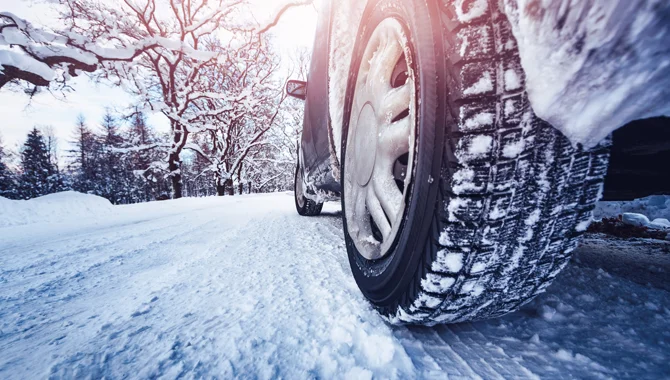
Winter driving in Canada brings a unique set of challenges—from icy highways to slushy side streets—which is why winter tires are one of the most important safety investments a driver can make. They provide better traction, shorter stopping distances, and improved control in cold weather conditions. But even the best winter tires won’t last forever. Knowing how long they remain effective, how to check their condition, and when to replace them helps ensure your vehicle stays safe and ready for the road during harsh winter months.
This guide explores everything drivers need to know about winter tire lifespan, what affects their longevity, and how to maximize their performance.
Why Winter Tires Have a Limited Lifespan
Winter tires are built differently from all-season or summer tires. They use softer rubber compounds designed to stay flexible in freezing temperatures, along with deep tread patterns that grip snow and ice. While this makes them ideal for winter use, it also means they wear down faster—especially if they’re used in mild weather or on warm pavement.
Because the rubber is softer, winter tires naturally degrade over time, even if they’re not used frequently. Exposure to the elements, road salt, and temperature changes also contributes to their aging process.
On average, most winter tires last between three to six winter seasons, depending on how often and how aggressively the vehicle is driven.
Key Factors That Influence Winter Tire Lifespan
1. Mileage Driven Each Season
The more kilometres winter tires experience, the more quickly they'll wear down. Drivers who commute long distances daily will see more tread loss compared to those who use their car occasionally.
2. Driving Habits
Driving behaviours have a major impact on tire wear. Harsh braking, rapid acceleration, and high-speed driving all accelerate tread loss. Smooth, steady driving helps tires last much longer.
3. Road and Weather Conditions
Canadian winters vary widely by region. Drivers in areas with heavy snowfall and icy roads typically benefit from better longevity because the snow layer reduces friction between the tire and pavement. Conversely, drivers in cities with fluctuating temperatures or wet pavement may see faster wear.
4. Temperature Exposure
Winter tires are designed for temperatures below 7°C. When used in warmer weather, the soft rubber compounds wear quickly. Even one season of mistakenly using winter tires into the spring can shorten their lifespan.
5. Proper Tire Storage
Tires that are stored improperly—such as outdoors, in damp basements, or in direct sunlight—degrade faster. Rubber needs a cool, dark, and dry environment to maintain its structure during the off-season.
6. Tire Quality and Brand
Premium winter tire brands often use advanced rubber compounds and tread technologies that resist wear more effectively. While budget-friendly tires can still perform well, they may not last as many seasons.
How to Know When Winter Tires Need to Be Replaced
Even if a winter tire looks fine at first glance, it may no longer provide enough performance for safe winter driving. Here are the most important signs that your winter tires need replacing:
1. Tread Depth Below 5/32”
Most experts recommend replacing winter tires when the tread depth reaches 5/32 of an inch. While the legal minimum may be lower, winter traction is significantly compromised below this point. Deep treads are what help winter tires push snow aside and grip icy roads.
You can measure tread depth using a gauge or even a Canadian nickel. Insert the coin with the Queen’s crown downward; if you can see the top of the crown, it’s time to replace the tires.
2. Cracks or Dry Rot
Over time, rubber dries out and cracks, especially if the tires have been exposed to extreme temperatures or UV light. Cracked rubber is dangerous because it weakens the tire structure and reduces traction.
3. Uneven Tread Wear
If one section of the tire is significantly more worn than others, it may indicate an alignment issue or improper inflation. Even if only part of the tread is worn down, the tire’s performance is compromised.
4. Hardening of the Rubber
As winter tires age, the rubber gradually becomes stiffer. Even if the tread looks acceptable, hardened rubber won’t grip slippery surfaces properly. This change is more likely to appear after five or six seasons of use.
5. Vibration or Poor Handling
If your vehicle shakes, pulls, or feels unstable while driving in winter conditions, worn tires may be the culprit. Reduced grip can affect steering response and braking.
Can Winter Tires Expire Even If They’re Not Used Often?
Yes. Winter tires have a natural shelf life. Even with minimal use, exposure to air, UV rays, and temperature fluctuations causes the rubber to degrade over time. Most manufacturers recommend replacing winter tires after six years, regardless of remaining tread.
You can check the manufacturing date on the tire sidewall. Look for the four-digit DOT code indicating the week and year the tire was made.
For example:
DOT 4219 means the tire was manufactured in the 42nd week of 2019.
How to Extend the Life of Your Winter Tires
While winter tires naturally wear faster than other types, proper care can significantly increase their lifespan.
1. Use Them Only in Cold Weather
Switching back to all-season or summer tires as soon as winter ends prevents unnecessary wear. Avoid leaving winter tires on your vehicle once temperatures stay consistently above 7°C.
2. Maintain Proper Tire Pressure
Cold weather causes tire pressure to drop. Under-inflated tires wear faster and reduce fuel efficiency. Check pressure regularly throughout the winter.
3. Rotate Tires Annually
Rotating winter tires every season or every 8,000 km ensures even wear. This simple step can extend tire life by a full extra season.
4. Store Tires Correctly
During the off-season, store winter tires:
- in a cool, dry place
- away from sunlight
- off the ground if possible
- in airtight storage bags if available
Proper storage keeps the rubber flexible and prevents premature aging.
5. Drive Smoothly
Avoid aggressive driving, which causes uneven tread wear and reduces traction. Gradual acceleration and braking not only help tires last longer but also improve safety.
6. Have a Professional Inspection
Before winter begins, it’s a good idea to have a mechanic inspect your tires. They can identify issues such as weak sidewalls, poor alignment, or internal damage.
How Many Seasons Should You Expect From Your Winter Tires?
Most drivers can expect three to five seasons of safe winter performance from their winter tires. Light drivers or those living in areas with consistent snow coverage may get more. However, drivers who frequently travel on wet roads or higher-temperature winter days may see shorter lifespans.
Ultimately, how long winter tires last depends heavily on care, storage, driving habits, and regional climate.
When to Replace Winter Tires for Safe Driving
If your tread depth is below 5/32”, the rubber has hardened, or the tires are older than six years, replacing them is recommended. Winter driving is unpredictable, and having reliable tires is a critical part of staying safe on icy Canadian roads.
Switching to a fresh set of winter tires ensures shorter stopping distances, better cornering, and improved stability. Investing in quality winter tires is always more affordable than risking an accident caused by worn-out ones.
Final Thoughts and Safety Reminder
Winter tires are essential for navigating Canada’s coldest months, but they aren’t designed to last forever. By paying attention to wear indicators, storing them properly, and using them only when temperatures drop, you can extend their lifespan and keep your vehicle safe. Knowing when to replace winter tires is just as important as choosing the right set—especially when road safety is at stake.