

Winter Car Buying Tips: What to Look for in a Cold-Weather Vehicle
Winter Car Buying Tips: What to Look for in a Cold-Weather Vehicle
Posted on January 23, 2026
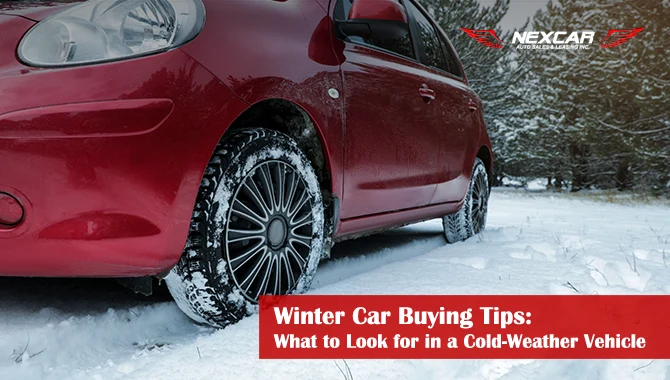
Buying a car during winter can be a huge advantage if you know what to look for. Cold temperatures, snowy roads, and icy conditions in Canada put extra demands on a vehicle, making winter the perfect time to focus on safety, reliability, and real-world performance. Whether you’re shopping for your first car or upgrading your existing car, choosing the right cold-weather-ready vehicle can save you money, stress, and unexpected repairs.
In this guide, we’ll walk through everything winter buyers should consider—helping you make a confident decision that suits Canadian driving conditions and keeps you safe all season long.
Why Winter Is a Smart Time to Buy a Vehicle
Many buyers avoid car shopping in winter, which can work in your favour. Car dealerships often have increased flexibility on pricing, and motivated sellers are eager to move inventory before year-end or new models arrive. More importantly, winter conditions help you evaluate how a vehicle truly performs under stress.
When you test drive in cold and slippery conditions, you get first-hand insight into traction, starting reliability, cabin comfort, and visibility—factors that aren’t obvious during warmer months.
Prioritizing Safety in Cold Weather
Safety should be your top concern when buying a car for winter conditions. Cold weather impacts braking, steering, and traction, especially on snow-covered and icy roads.
All-Wheel Drive vs. Front-Wheel Drive
All-wheel drive (AWD) and four-wheel drive (4WD) provide added traction on slippery surfaces by distributing power to multiple wheels. They’re popular in Canadian winters, especially for rural or hilly areas. Front-wheel drive (FWD) vehicles can also perform well in winter when paired with quality winter tires, making them a budget-friendly option.
Rear-wheel drive vehicles tend to struggle in winter unless properly equipped and driven cautiously.
Advanced Stability and Safety Systems
Modern vehicles often come equipped with features that significantly improve winter safety, including:
- Electronic stability control
- Traction control
- Anti-lock braking systems
- Brake assist
These systems help maintain control if your wheels lose traction, reducing the risk of skidding or spinning out.
The Importance of Winter Tires
Regardless of drivetrain, winter tires are one of the most important factors in cold-weather driving. They’re specifically designed to remain flexible in cold temperatures and provide better grip on snow and ice.
When car shopping in winter:
- Ask if winter tires are included
- Check tread depth and condition
- Factor the cost of winter tires into your budget if needed
A vehicle with winter tires can outperform an AWD vehicle without them.
Cold-Weather Starting Reliability
Cold temperatures place extra strain on a vehicle’s battery and engine. During winter car shopping, pay close attention to how easily the vehicle starts.
Battery Health
A weak battery may start fine in mild temperatures but struggle or fail in the cold. Ask about the battery’s age and consider having it tested before purchasing.
Engine Performance
Listen for rough idling, delayed starts, or unusual noises. These could indicate underlying issues that become more noticeable in winter conditions.
Visibility and Winter-Ready Design
Poor visibility is a major winter driving hazard. Snow, slush, freezing rain, and early nights demand good lighting and clear sightlines.
Lighting
Look for vehicles with bright, modern headlights and functional fog lights. Proper lighting improves visibility during snowstorms and low-visibility conditions.
Mirrors and Defrost Features
Features like heated mirrors, rear window defrosters, and windshield wiper de-icers make a noticeable difference during icy mornings.
Cabin Comfort in Cold Weather
Comfort matters more than many buyers realize, especially during long winter commutes.
Heating System Performance
Test the heater to ensure it warms up quickly and distributes heat evenly throughout the cabin. Weak heating could signal cooling system issues.
Heated Seats and Steering Wheels
Heated seats and steering wheels aren’t just luxuries—they improve comfort and reduce fatigue during frigid drives.
Suspension and Ground Clearance
Winter roads often hide potholes, ice ruts, and snow buildup. Vehicles with adequate ground clearance are better suited for winter driving, especially after snowstorms.
Crossovers, SUVs, and some sedans strike a good balance between comfort and clearance, making them popular winter choices. Pay attention to how the suspension absorbs bumps during your test drive.
Fuel Efficiency in Winter Conditions
Cold weather reduces fuel efficiency due to longer warm-up times, denser air, and heated accessories. When buying a vehicle in winter:
- Expect slightly lower mileage than advertised
- Consider models known for efficiency in real-world conditions
- Check engine size and driving mode options
Efficient vehicles help offset higher winter fuel consumption.
Rust Prevention and Undercarriage Condition
Road salt is a leading cause of corrosion in Canadian vehicles. Winter car buyers should inspect the undercarriage carefully.
What to Look For
- Excessive rust underneath
- Corrosion near brake lines and exhaust components
- Signs of recent undercoating
Vehicles with proper rust protection tend to last longer and retain better resale value.
Test Driving in Real Winter Conditions
One advantage of winter car shopping is the ability to test vehicles in actual cold-weather environments.
During a winter test drive:
- Check acceleration on snowy or slushy roads
- Test braking at low speeds
- Observe traction control performance
- Evaluate steering response
This experience provides insights you won’t get during summer test drives.
Choosing the Right Body Style for Your Needs
Your lifestyle should guide your winter car choice.
Sedans
Good for city driving and plowed roads, especially with winter tires.
SUVs and Crossovers
Provide higher ground clearance, optional AWD, and added cargo space—ideal for families and outdoor enthusiasts.
Trucks
Useful for rural areas, heavy snow, and towing, but often require added weight or winter tires for optimal winter control.
Why Buying from a Trusted Dealership Matters
A reputable used car dealership ensures vehicles are properly inspected and ready for winter conditions. Quality dealers assess:
- Battery and charging systems
- Tires and brakes
- Heating and defrost systems
Buying from a trusted source adds peace of mind when driving during harsh weather.
How Nexcar Auto Sales & Leasing Helps Winter Buyers
Nexcar Auto Sales & Leasing understands the demands of Canadian winters. Our used car inventory includes vehicles selected for safety, reliability, and winter performance. Each vehicle is carefully inspected to ensure it meets cold-weather driving requirements.
We help buyers find vehicles that match their lifestyle, budget, and winter driving needs—without pressure or confusion.
Final Winter Buying Tips to Remember
Before finalizing your purchase:
- Prioritize safety and traction over appearance
- Budget for winter tires if needed
- Test drive in real winter conditions
- Inspect for rust and mechanical reliability
These steps help ensure your next vehicle is truly winter-ready.
Make a Confident Winter Purchase
Winter doesn’t need to delay your car buying plans. In fact, it can be the best time to find a dependable, cold-weather-capable vehicle—if you know what to look for. With proper evaluation and expert guidance, you can drive into winter with confidence, comfort, and peace of mind.
For expert advice and a wide selection of winter-ready vehicles, Nexcar Auto Sales & Leasing is here to help you find the right fit for Canadian roads.